

The Essential Guide for Melbourne Homeowners
As Melbourne’s weather constantly shifts from hot summers to chilly winters, many homeowners find themselves struggling with one of the most common issues—drafts. Those cold gusts of air creeping through cracks in your walls, windows, and doors can make your home uncomfortable and cause a significant rise in energy bills. Fortunately, a simple and effective solution exists: interior caulking to prevent drafts. This guide will explore how caulking can help you tackle drafts in your Melbourne home, improve energy efficiency, and ultimately save you money.
If you’re looking for professional assistance, Black Diamond offers expert Caulking Services, ensuring that your home stays comfortable and energy-efficient all year round.
Why Drafts Are a Concern for Melbourne Homes
In Melbourne, where the weather can be unpredictable and temperatures fluctuate dramatically, drafts can lead to a host of problems. Aside from making your home feel colder, drafts increase the load on your heating and cooling systems, which in turn causes your energy bills to spike. If you’ve ever felt a chill near a window or around the edges of a door, you’ve likely encountered a drafty spot in your home. This is where interior caulking to prevent drafts comes into play. By filling those gaps and cracks, you’ll not only create a more comfortable environment but also significantly improve your home’s energy efficiency.
Proper caulking seals those invisible gaps, which are often too small to notice but large enough to let cold air in. By addressing these gaps, you’ll be able to maintain a consistent indoor temperature, reducing the need for constant heating or cooling.
If you’re not sure where to start with improving your home’s energy efficiency, check out our blog on Caulking for energy efficiency, where we dive deeper into how effective caulking can lower your energy costs.

What is Interior Caulking and How Does It Prevent Drafts?
At its core, interior caulking is a method of sealing cracks, gaps, and joints in your home’s structure to prevent unwanted air from entering or leaving. When we talk about interior caulking to prevent drafts, we refer to the act of applying high-quality caulk to interior areas such as around windows, doors, baseboards, and walls.
The process of caulking windows for draft reduction is particularly important because windows are one of the primary sources of heat loss. When caulk is properly applied around the edges of your windows, it acts as an airtight barrier, preventing air from seeping in and out. This not only keeps your home more comfortable but also helps you avoid wasting energy. For a more thorough guide on sealing your windows, take a look at our Window Caulking services page.
How to Identify Drafts in Your Melbourne Home
Before you can begin sealing drafts with caulking, it’s essential to identify where the drafts are coming from. Melbourne’s unique climate often causes homes to experience fluctuations in temperature, and the resulting expansion and contraction of materials can create gaps where air enters.
Start by checking around windows, doors, baseboards, and any other areas where two materials meet. You may also notice drafts near electrical outlets and light switches. To help you locate these spots, you can use the following methods:
- Feel for Cold Air: On a windy day, place your hand near windows and doors. If you feel cold air or see curtains moving, there’s likely a draft.
- Use a Candle or Incense Stick: Light a candle or incense stick and slowly move it around window and door seals. If the flame flickers or the smoke blows horizontally, you have a draft.
- Check for Visible Gaps: Sometimes, the draft is noticeable because of visible gaps in caulking, weatherstripping, or around windowpanes. If you see any cracks, they should be sealed immediately.
Choosing the Best Caulking for Draft Prevention
When it comes to interior caulking to prevent drafts, not all caulking products are created equal. The type of caulk you use will directly affect the quality of the seal, as well as its durability over time. Here’s a breakdown of the best caulking options available:
- Silicone Caulk: Silicone is one of the most popular choices for sealing gaps in windows and doors because of its flexibility and long-lasting durability. It forms a strong, waterproof seal and is ideal for areas exposed to moisture, such as kitchens and bathrooms.
- Acrylic Latex Caulk: Acrylic latex is easier to apply than silicone and can be painted over, making it an excellent choice for sealing baseboards, trim, and areas that need a clean finish. While it’s not as durable as silicone, it still provides adequate protection for interior draft reduction.
- Polyurethane Caulk: Polyurethane is a more robust option, often used for heavy-duty applications like sealing large gaps around doors or exterior areas. It’s known for its strength and longevity, making it a great choice for preventing drafts in high-traffic areas.
Each of these caulking materials has its strengths, but for interior caulking to prevent drafts, we recommend using silicone caulk for its superior flexibility and long-lasting seal.
How to Seal Drafts in Your Home
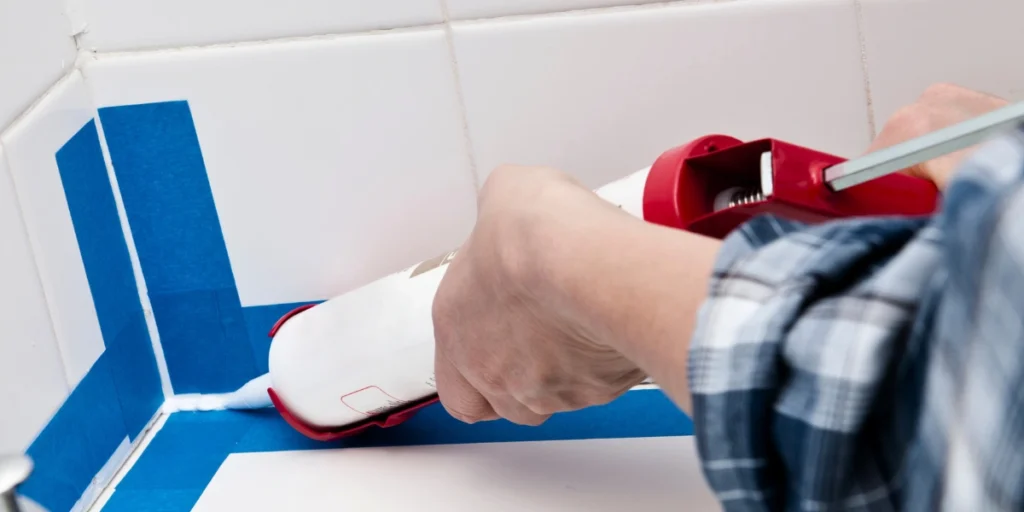
Now that you know what caulk to use, it’s time to put it into action. Sealing drafts with caulk is a straightforward process that can be done in just a few steps. Follow this simple guide to get started:
- Prepare the Surface: Before applying the caulk, clean the area around the gap or crack thoroughly. Remove any old caulk, dirt, or debris to ensure a smooth and effective seal.
- Apply the Caulk: Using a caulking gun, apply the caulk evenly along the seam or gap. Be sure to cover the entire gap with a continuous bead of caulk.
- Smooth the Caulk: Use a wet finger or a caulk smoothing tool to smooth the caulk and press it into the gap. This will help create a tight seal.
- Allow the Caulk to Dry: Depending on the type of caulk, allow the sealant to dry fully before using the area. This ensures that the caulk sets properly and creates a strong, durable barrier.
Sealing gaps in Melbourne home insulation is a highly effective way to stop drafts and save on your energy costs.
The Benefits of Interior Caulking for Melbourne Homes
Using interior caulking to prevent drafts has numerous benefits, especially in Melbourne’s unpredictable climate. Here’s how it can improve your home’s comfort and efficiency:
- Improved Energy Efficiency: Caulking effectively seals gaps that allow warm or cool air to escape, leading to lower heating and cooling costs. In fact, studies have shown that proper caulking can reduce energy bills by up to 20%.
- Increased Comfort: By sealing drafts, you’ll notice a more consistent temperature throughout your home. No more cold spots or uncomfortable breezes during Melbourne’s winter months.
- Protection from Moisture: In areas like bathrooms and kitchens, where moisture can be a concern, caulking for temperature control prevents water from seeping into walls and creating mould or mildew.
- Long-Term Savings: Once you’ve sealed drafts in your home, you won’t need to worry about regularly replacing weatherstripping or dealing with the inconvenience of fluctuating indoor temperatures.
By investing in interior caulking to prevent drafts, you’re investing in a more comfortable, energy-efficient home.
Maintaining Your Caulking for Long-Term Efficiency
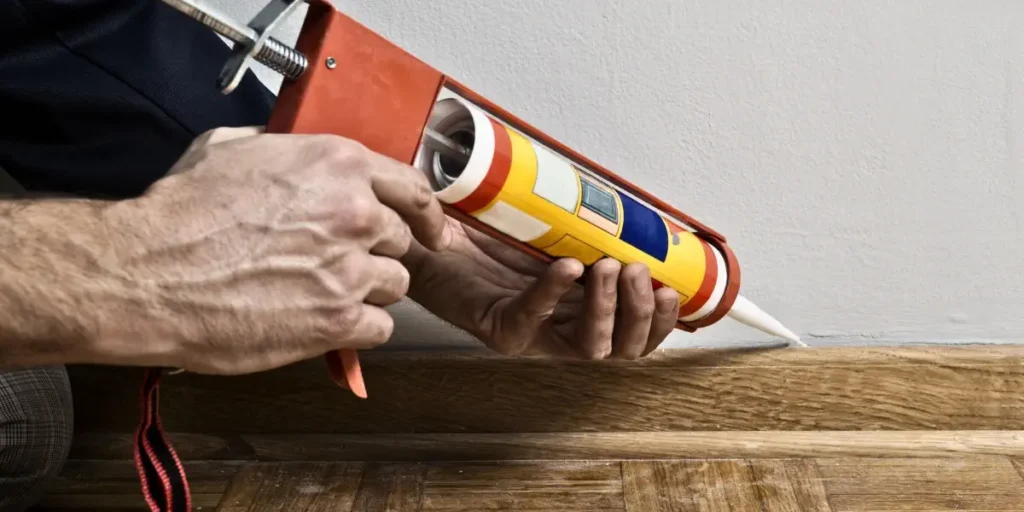
To keep your home’s caulking working effectively, regular maintenance is key. Inspect your caulking annually, especially after Melbourne’s extreme weather changes. If you notice any cracks or gaps in the caulking, replace it as soon as possible to maintain the seal and continue enjoying the benefits of reduced drafts and improved energy efficiency.
Conclusion: The Long-Term Value of Interior Caulking
In conclusion, interior caulking to prevent drafts is an essential step for homeowners in Melbourne looking to improve comfort, energy efficiency, and long-term savings. Whether you’re dealing with drafts from windows, doors, or baseboards, sealing those gaps with the right caulk can provide significant benefits.
Don’t let drafts undermine the comfort and efficiency of your home. Take the time to assess your property, apply caulking where needed, and enjoy a more comfortable, energy-efficient living space. For additional help or to tackle larger projects, be sure to visit our Caulking Services page for professional assistance.
For more tips on energy-efficient home improvements, check out our blog on Caulking for energy efficiency and ensure your home is prepared for any season.
By investing in quality interior caulking to prevent drafts, you’ll create a home that’s better insulated, more comfortable, and easier on your energy bills for years to come.