

Why Proper Window Caulking Matters in Melbourne Weather
Melbourne’s weather extremes, blazing summers, cold blustery winters, and heavy autumn storms quietly destroy your home’s window seals every year. If you have spotted draughts, rising power bills, or damp patches near your sills, failing window caulk is likely the culprit. Left unchecked, a cracked seal leads to structural water damage that costs far more than a simple re-seal. The good news? Fixing it is more straightforward than most Melbourne homeowners think.
Poor window caulk does not just admit cold air, it invites moisture, mould, and long-term wall damage that compounds over time. Many homeowners delay repairs until things get serious, which always costs significantly more in the long run. This guide covers warning signs, step-by-step repair methods, and expert tips to keep your home dry and energy-efficient year-round. Explore our window sealing services to see how we can protect your property.
Benefits of Window Caulking for Melbourne Homes
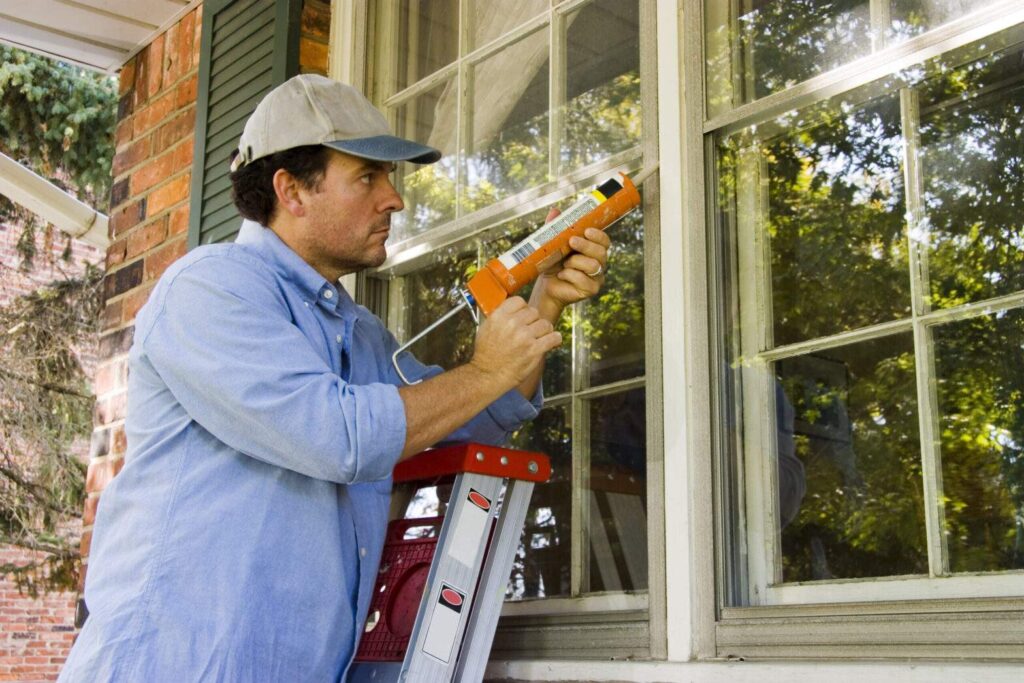
Proper window caulk is one of the most affordable protections a Melbourne home can have against the city’s extreme seasonal shifts. It seals gaps that bleed conditioned air outside in summer and allow icy draughts inside during winter months. Without a solid seal, your heating and cooling systems work overtime just to maintain a liveable temperature. That extra load shows up directly on your energy bill every single quarter.
Melbourne’s heavy rainfall and humidity make water intrusion a persistent and costly threat for any unsealed window. Applying quality window caulk creates a watertight barrier that shields walls, frames, and interiors from expensive damage. It is a modest upfront investment with measurable returns in energy savings and avoided repair bills. Think of it as the most affordable insurance policy your Melbourne home will ever have.
Key benefits of window caulking:
- Cuts heating and cooling costs by eliminating draught entry points around frames
- Stops water and moisture from penetrating wall cavities and weakening timber
- Reduces the risk of mould and structural rot forming inside your walls
- Extends the working life of window frames and surrounding plasterwork
- Blocks dust, allergens, and insects from entering your living spaces
How Window Caulking Prevents Water Damage
Window caulking forms a weatherproof barrier between your frame and wall, preventing rainwater from entering your home’s structure. Melbourne’s storms force water through even the smallest unsealed gap, causing rot, rust, and serious long-term deterioration. Addressing these gaps early prevents expensive remediation — especially in older homes where frames have shifted over decades. A small caulking repair now can realistically save thousands in structural fixes within the year.
When water enters through unsealed joins, it soaks into wall cavities and creates the damp conditions that mould thrives in. Timely window caulking repair ensures entry points are sealed before water causes irreversible structural harm. Most Melbourne tradespeople agree — water damage is the repair job that keeps on giving if you don’t stop it early.
Improving Energy Efficiency with Proper Window Caulk
Unsealed windows are among the biggest sources of energy loss in any Australian home, yet they are among the easiest to fix. Applying proper window caulk around every frame join measurably reduces the load on your heating and cooling systems year-round. Melbourne’s four distinct seasons mean energy efficiency gains are felt all year, not just in summer or winter peaks.
Research confirms that draught-proofing windows can cut household energy costs by up to 25 per cent annually. Ensuring the caulk around window frame joints is intact, uncracked, and well-adhered is the simplest first step any homeowner can take. It is a genuine weekend project that pays for itself within the very first billing cycle after completion.
Window Caulking Repair: When and How to Fix It
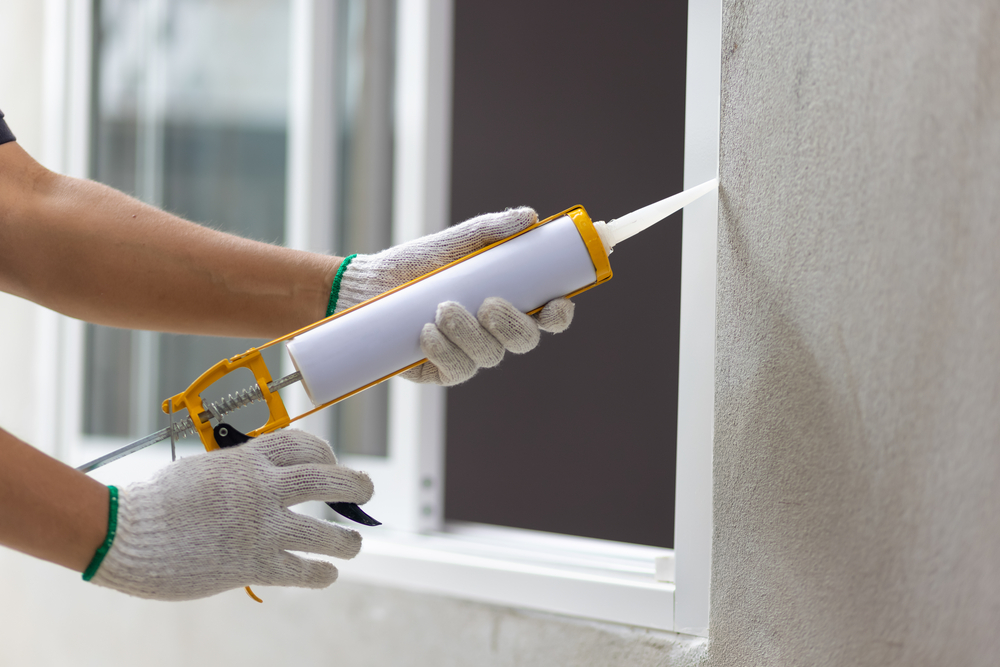
Window caulking repair becomes necessary when existing seals start to crack, shrink, peel, or pull away from bonded surfaces. Melbourne’s temperature extremes accelerate the breakdown of older caulk — especially on north and west-facing windows in full sun. Catching deterioration early gives you a quick, affordable fix; ignoring it gives you water damage and a costly repair bill. A twice-yearly inspection is genuinely all it takes to stay ahead of developing problems.
Making seal checks a regular maintenance habit quietly protects your property and saves real money over the years. Set a reminder before winter and again before storm season — the inspection takes only a few minutes each time. A small crack spotted early is a five-minute repair; the same crack ignored for a season becomes a major problem.
Signs Your Windows Need Caulking Repair
Watch for these warning signs that your window seals need immediate attention:
- Visible cracks or gaps along existing caulk lines near the frame or sill
- Peeling or shrinking caulk that has separated from the frame surface
- Draughts or cold spots felt near windows on windy Melbourne days
- Water stains or damp patches on walls or sills after rainfall events
- Mould or mildew forming along window edges or surrounding plaster
Step-by-Step Window Caulking Repair in Melbourne
- Remove old caulk completely using a removal tool or utility knife — do not skip or rush this step.
- Clean the surface with methylated spirits and a damp cloth, then allow it to dry fully.
- Apply painter’s tape on both sides of the joint for sharp, professional-looking caulk lines.
- Load your caulk gun with a quality acrylic or silicone window caulk rated for the application.
- Apply in one steady bead, filling the gap fully without over-applying or leaving air gaps.
- Smooth with a wet finger, then remove the tape before the caulk skins over.
How to Caulk Old Windows Without Damaging Frames
Knowing how to caulk old windows correctly is essential when working on Melbourne’s heritage and timber-framed homes. These windows need care — using the wrong product or aggressive scraping can split aged timber and lift fragile paint. Taking the right approach protects both the seal and the structural integrity of the frame beneath it. Many well-intentioned DIY jobs end up causing more damage than the problem they were meant to solve.
Understanding how to caulk old window means selecting a flexible, paintable product that moves with natural timber expansion and contraction. Rigid silicone suits modern aluminium frames but often cracks when applied to older, movable timber window units. A latex-based acrylic caulk is the safer and more appropriate choice for Melbourne’s older residential housing stock.
Tools and Materials Needed for Caulking Old Windows
Before you begin, gather these essentials:
- Caulk gun — for precise, controlled application every time
- Utility knife or caulk removal tool — to fully strip all existing old caulk before starting
- Painter’s tape — for professional, neat, straight finished lines
- Damp cloth and methylated spirits — for thorough surface cleaning and preparation
- Flexible acrylic or latex caulk — the correct choice for aged timber frames
- Smoothing tool or wet finger — for a clean, professional-looking finish
Common Mistakes to Avoid When Caulking Old Windows
The most common mistake homeowners make is applying new caulk directly over old, cracked product without first removing it. This creates a weak bond and the new seal typically fails within a year under Melbourne’s UV and heat conditions. Always strip old caulk completely and clean the substrate before you apply anything new to the surface. Skipping this preparation step is the fastest way to repeat the exact same repair job twelve months later.
Never use a product that is not rated for the specific surface or environment you are sealing around. Using exterior caulk indoors, or vice versa, affects both performance and appearance in ways that become apparent quickly. Read product labels carefully and match the specification to the actual job before you start any sealing work.
Caulking for Windows Inside: Best Practices
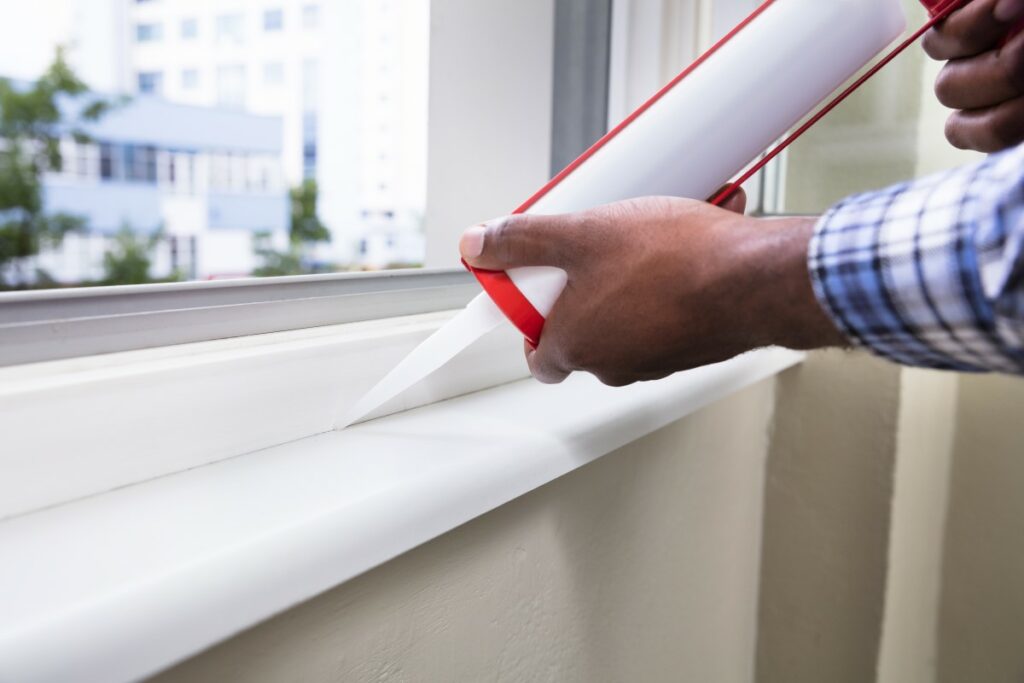
Caulking for windows inside improves draught-proofing, reduces condensation, and stabilises indoor temperatures throughout Melbourne’s unpredictable seasonal changes. Interior caulking is applied along the caulk around window frame joins, the sill line, and any gaps between architraves and walls. It is a simple step that makes a noticeable difference to daily comfort and ongoing energy expenses in your home. Most interior caulk jobs take under an hour per window from preparation through to a clean, finished result.
Caulking for windows inside works best with a low-odour, paintable acrylic product that blends seamlessly with your interior trim and walls. Silicone suits wet areas like bathrooms, but acrylic is easier to apply, paint over, and clean up in standard living spaces. Always work with proper ventilation when applying any caulk product indoors to avoid unnecessary fume build-up.
Where Not to Caulk Around Windows Inside
Understanding where not to caulk around windows inside is as important as knowing where to apply the product. Never seal the weep holes at the base of window frames — these channels drain trapped water and must stay completely open. Blocking them causes moisture to pool inside the frame, accelerating rot and creating hidden structural damage over time. This is an easy mistake to make and an extremely expensive one to fix after the damage has already established.
Where not to caulk around windows inside also means avoiding the gap between an operable sash and the frame itself. Sealing a movable part prevents the window from opening or closing — a serious safety and ventilation issue for any home. Always identify fixed joins versus operational parts before loading your caulk gun and beginning work.
How to Caulk Around Window Frames Neatly
Getting a neat result when you caulk around window frame joins is almost entirely about good preparation before you start. Apply painter’s tape along both edges of the join, leaving only the gap exposed for the product to fill. This single step separates a professional-looking finish from one that looks rushed and difficult to fix up later. It adds just five minutes to your job but makes a visible difference to the final appearance of the seal.
Apply the window caulk in one smooth, uninterrupted bead — stopping mid-line creates uneven thickness and visible seams. Smooth it immediately with a wet finger before the product begins to skin over and set hard. Pull the tape at a 45-degree angle before the caulk cures fully for the cleanest possible finished edge.
Tips to Maintain and Extend Window Caulk Lifespan
Maintaining your window caulk regularly is far more cost-effective than addressing damage after a seal has failed completely. A quick visual check twice a year — before winter and before Melbourne’s storm season — keeps you ahead of developing issues. Small cracks caught early are a five-minute fix; the same issues ignored for a year become a full repair job. Good maintenance habits cost very little but protect your home’s value and integrity over the long term.
Melbourne’s variable climate puts window seals under more stress than in more temperate parts of Australia. UV exposure, heavy rain, and dramatic temperature swings accelerate caulk degradation across every season of the year. Choosing a high-quality product rated for Australian conditions makes a real and measurable difference to how long seals last.
Regular Inspection and Maintenance Tips
- Check all caulk lines every six months, especially before winter and Melbourne’s wet season
- Look carefully for cracking, shrinking, discolouration, or peeling along every sealed edge
- Press gently on caulk lines to check for brittleness — healthy caulk should still feel slightly flexible
- Clean window frames regularly to prevent dirt and moisture build-up that degrades seals prematurely
- Address any detected gaps immediately rather than waiting for the next scheduled inspection cycle
When to Replace Old Caulk to Protect Melbourne Homes
Most quality window caulk products last between five and ten years under normal Australian conditions. In Melbourne, where UV exposure and weather extremes are considerable, five to seven years is more realistic for sun-facing elevations. Replacing caulk on schedule is always cheaper than repairing the water-damaged walls and frames that follow a failed seal. Treat it as essential home maintenance — like clearing gutters — and set a firm annual calendar reminder to stay on top of it.
If your existing caulk is crumbling, pulling away, or heavily discoloured, it is fully due for replacement. Always remove old material completely rather than layering new product over failing caulk — good adhesion requires a clean surface. Fresh caulk on a properly prepared substrate will always outlast a patch job by several useful years.
Conclusion
Proper window caulk application and maintenance are among the smartest investments any Melbourne homeowner can make. From stopping water damage and reducing energy bills to protecting window frames from Melbourne’s harsh climate, the benefits are immediate and lasting. Whether you are managing window caulking repair, learning how to caulk old windows, or understanding where not to caulk around windows inside, act early before small gaps become serious structural problems. Your home works hard to keep Melbourne’s weather out. Give it the right protection.
Now that you know how to seal and maintain your windows professionally, ready to protect your Melbourne home all year round?
Get a Quote with Black Diamond CaulkingToday →